Paleoecology and the Assisted Migration Debate:
assembled by Connie Barlow, founder of Torreya Guardians
Why a Deep-Time Perspective Is Vital
Torreya taxifolia as Exemplar
published February 2010 • most recent update January 2026
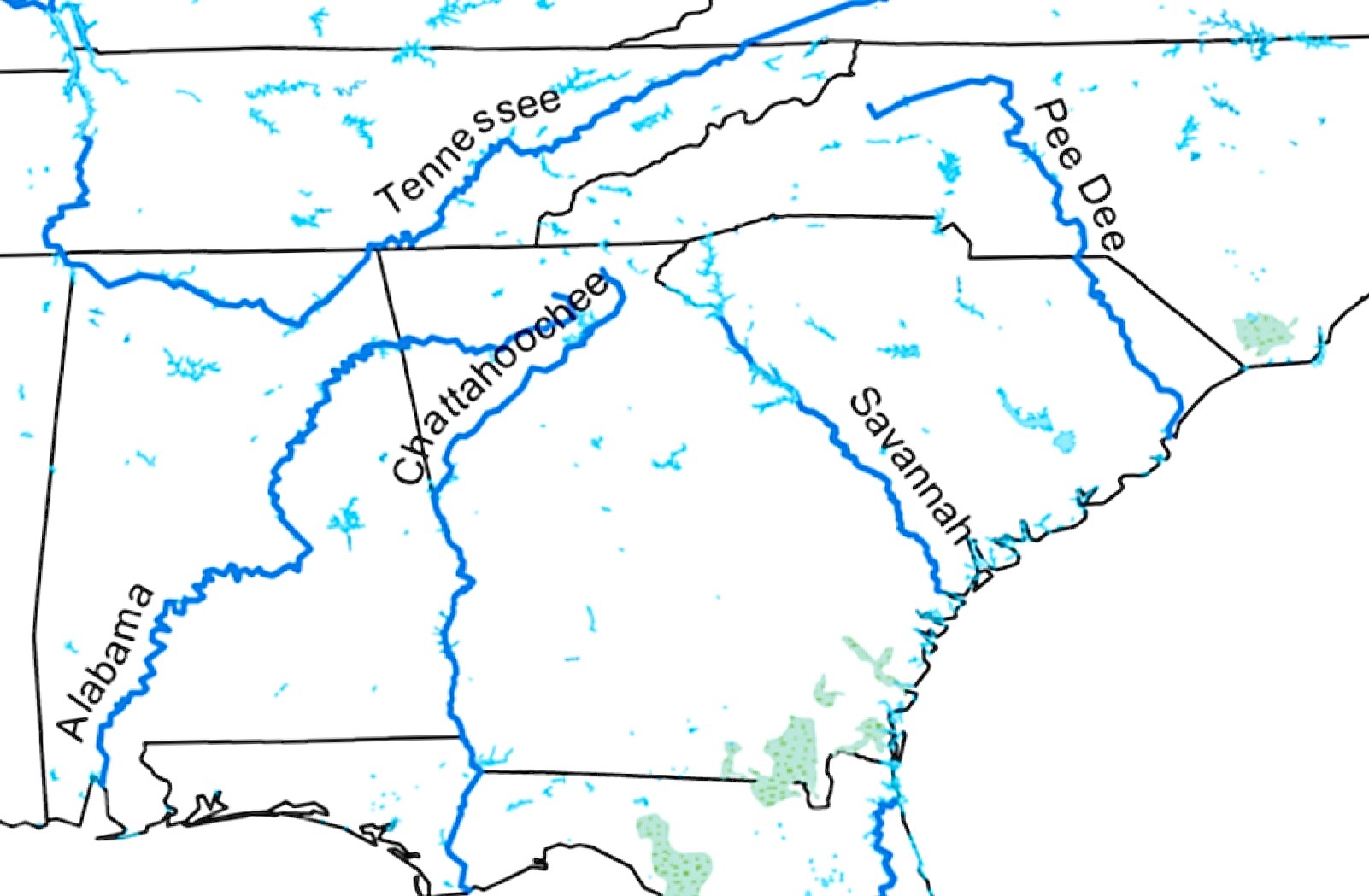
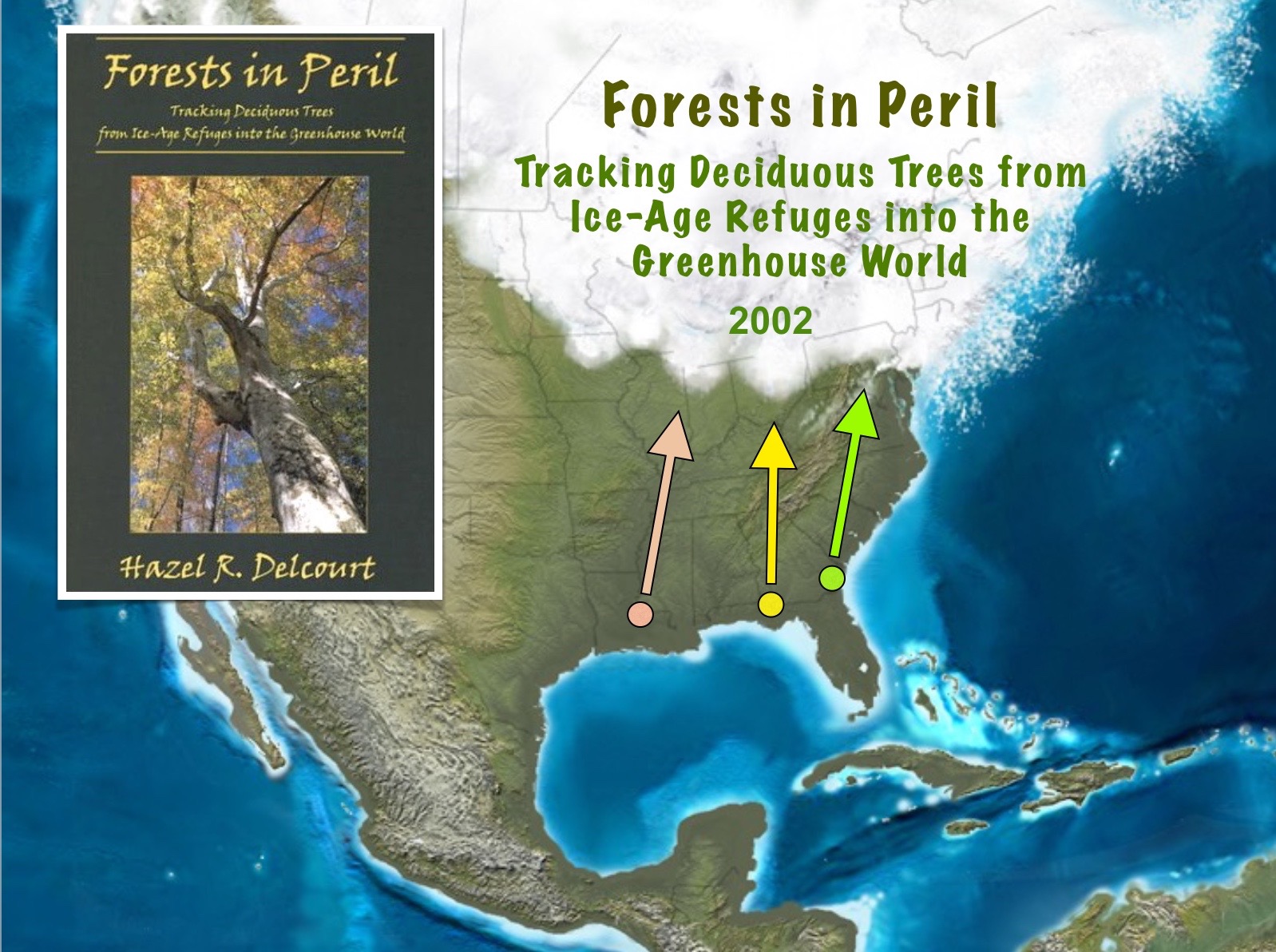
FLORIDA TORREYA, Torreya taxifolia, has attracted expert botanical attention since it became known to Euro-Americans in the mid 1800s. Beginning with 2 botany papers published in 1905, this subcanopy tree had been consistently interpreted as a glacial relict — persisting only in the same small "pocket refuge" it would have occupied during episodes of peak glacial advance in eastern North America. In 1984 it was officially designated as an endangered species, and its character as a glacial relict is documented in the Federal Register ruling of its endangerment this way (emphases added):
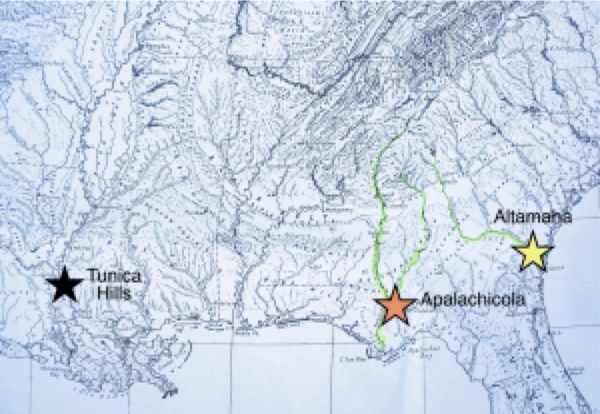
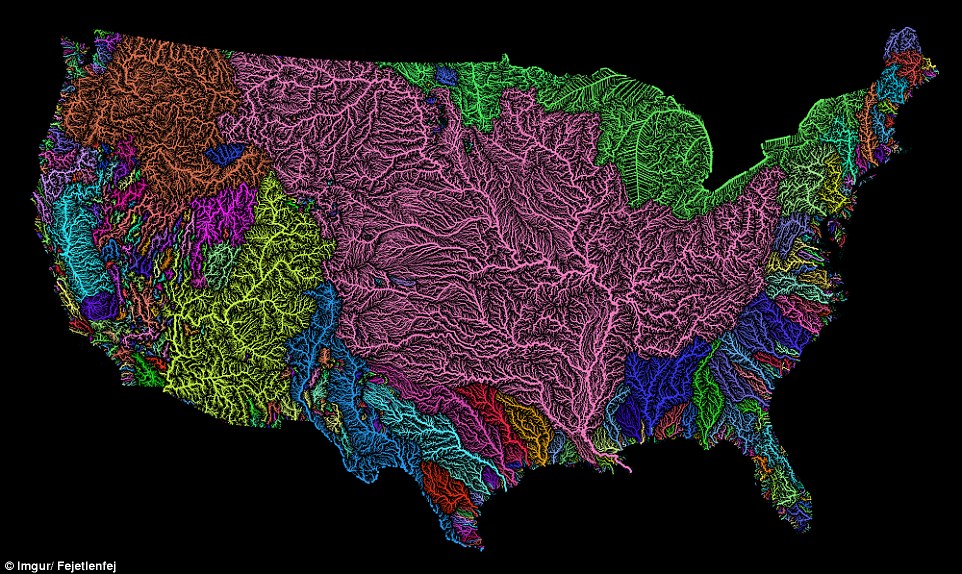
... The relictual nature of this area accounts for the presence of many unique species [James, 1967]. During recent glaciations, species migrated southward by way of the Apalachicola River system, which served as a refugium during cooling periods. The Apalachicola River is the only Deep River system that has its head waters in the southern Appalachian Mountains. With the receding of the glacier, cool moist conditions persisted on the bluffs and ravines of the Appalachicola River after climatic change rendered the surrounding area much drier and warmer. The entire Apalchicola River bluff system today is an extremely diverse and unique ecosystem, of which Torreya taxifolia is a part....The lag in experimenting with "assisted migration":
Given the unquestioned relictual status of this species, evident even in the 1984 listing decision, and given our understanding of ongoing climate change in the 21st century, professionals alive now may find it difficult to understand why primary recovery actions would not have included northward planting experiments right from the start.
Assisted migration advocacy and debate begins in 2004:
Exactly 20 years after Torreya's endangerment listing, the extinction plight of Florida torreya was the focus of a pair of papers that effectively launched the "assisted migration" debate.
The paleoecological perspective, which classifies Florida torreya as a glacial relict, was not a topic of dispute:
The original PRO-assistance essay by Connie Barlow and (the late) Paul S. Martin was titled "Bring Torreya taxifolia North — Now".
Florida torreya's status as a left-behind glacial relict was foundational in the essay that advocated assisted migration. Barlow and Martin wrote:
Post-2004 failure of government and scientists to prioritize the "relictual" understanding of Torreya
The U.S. Fish and Wildlife Service itself, while not disputing the glacial relict status, dismissed its importance in recovery considerations in its 2021 response to a 2019 "Petition to Downlist ..." that Connie Barlow filed (as an individual citizen).
THE INTENT of this skeletal essay is to demonstrate, by using the example of "poster plant" Torreya taxifolia, why the assisted migration debate for THE ENTIRE LIST OF ENDANGERED PLANTS must broaden to encompass a deep-time, paleoecological perspective. Florida Torreya, after all, is not the only species that has been "left behind" in cool-moist ravines, north-facing slopes, and other small topographic sanctuaries when Holocene (and then anthropogenic) warming made their isolation permanent.
THE MOST RECENT (2022) ARGUMENT was made by the founder of Torreya Guardians, Connie Barlow, in the first 16 minutes of this youtube video:
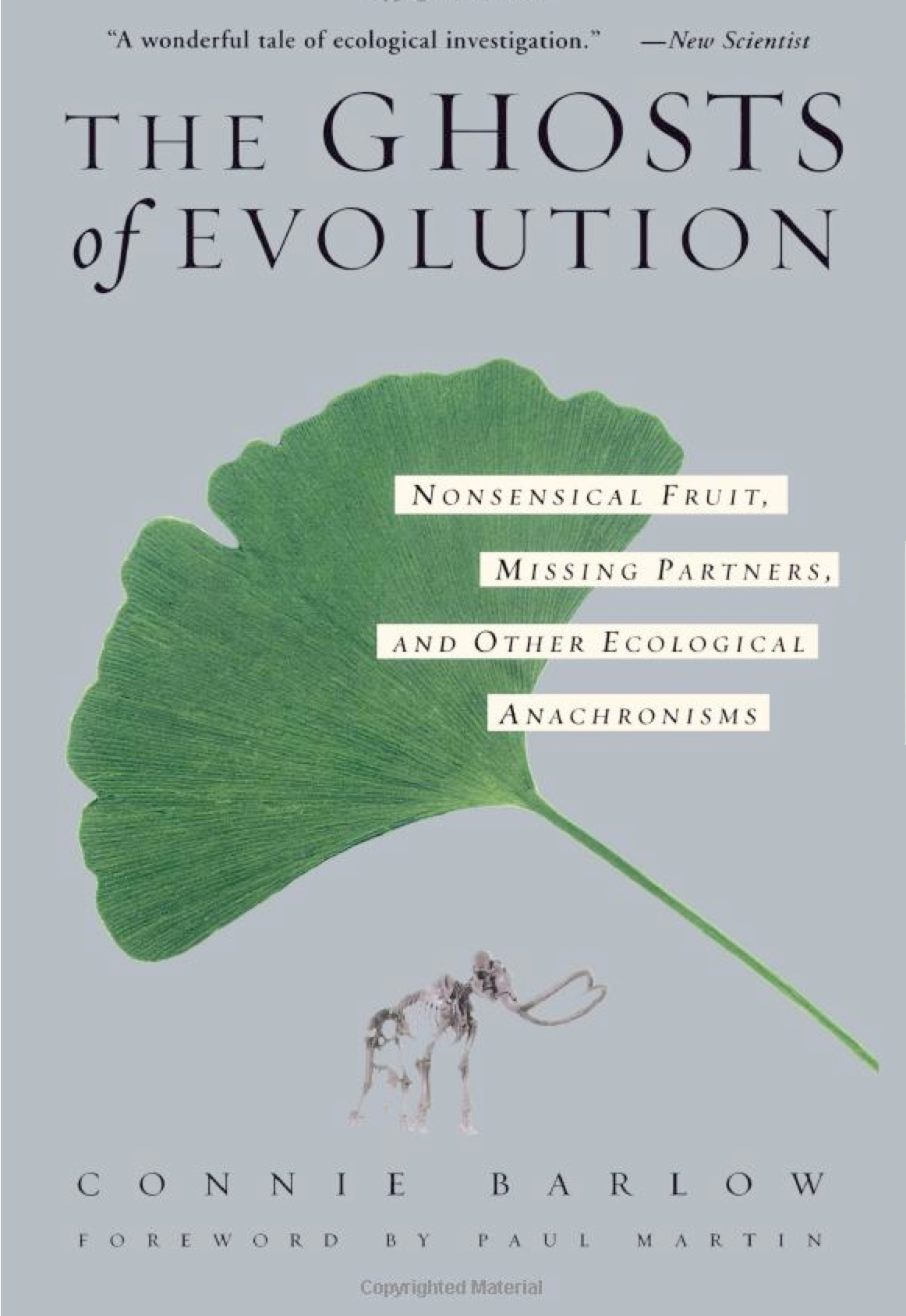
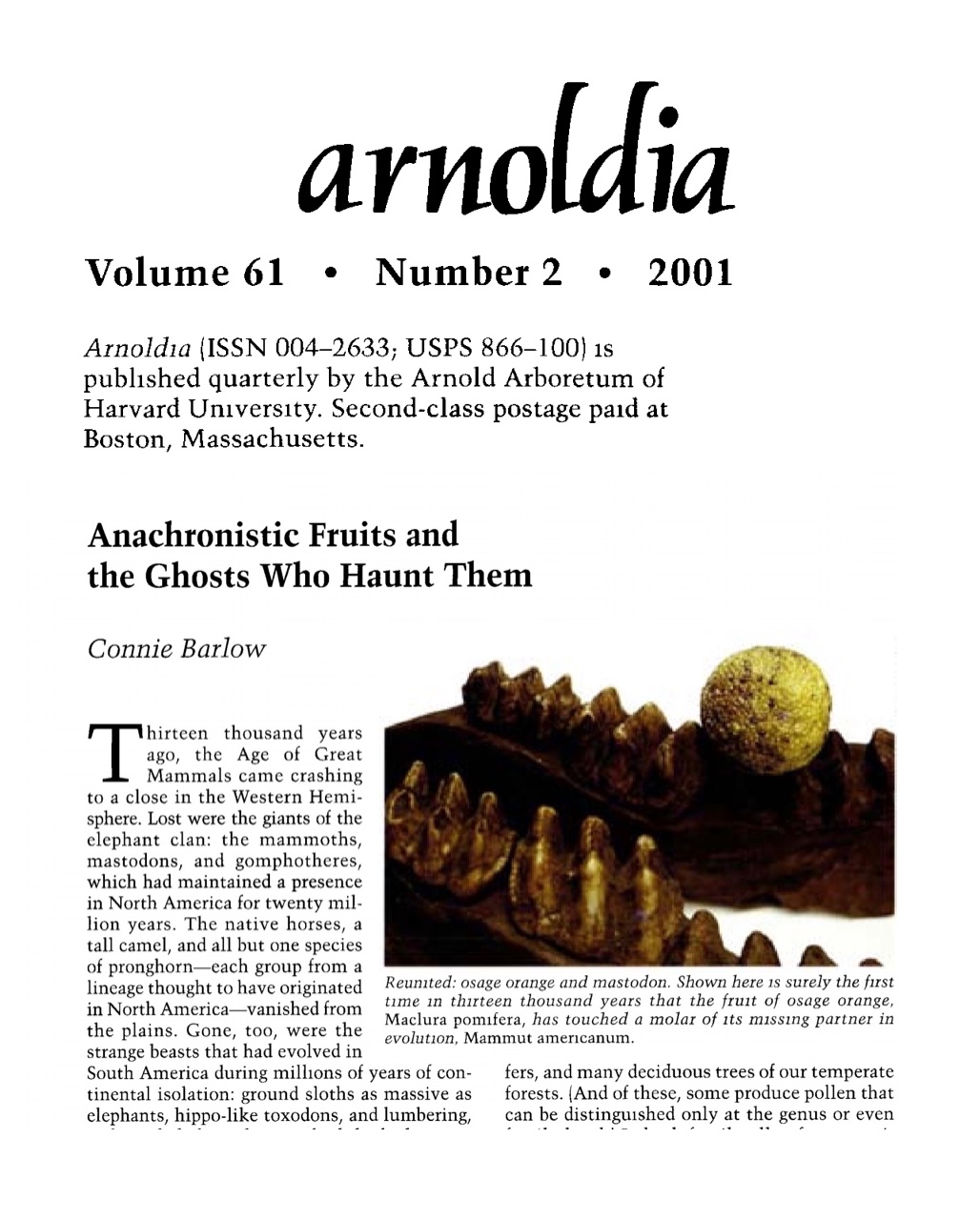
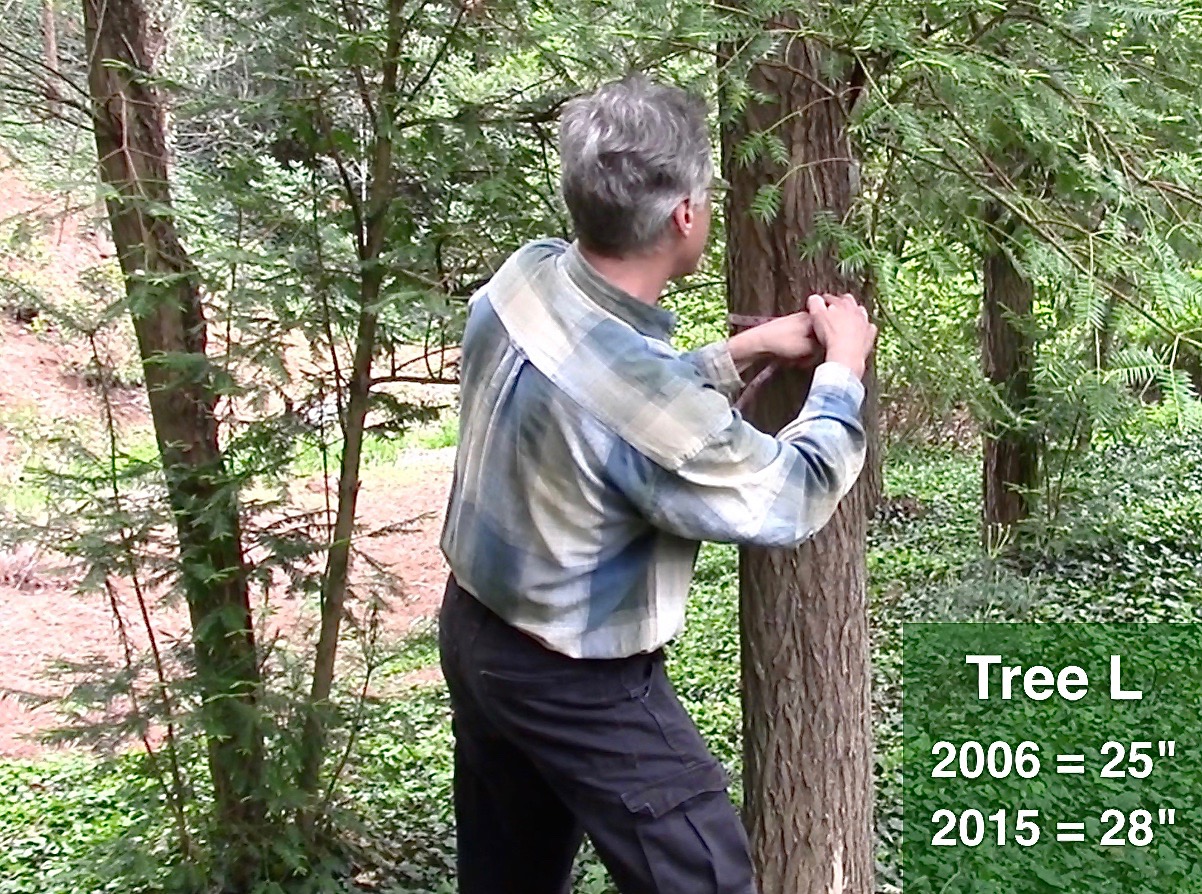
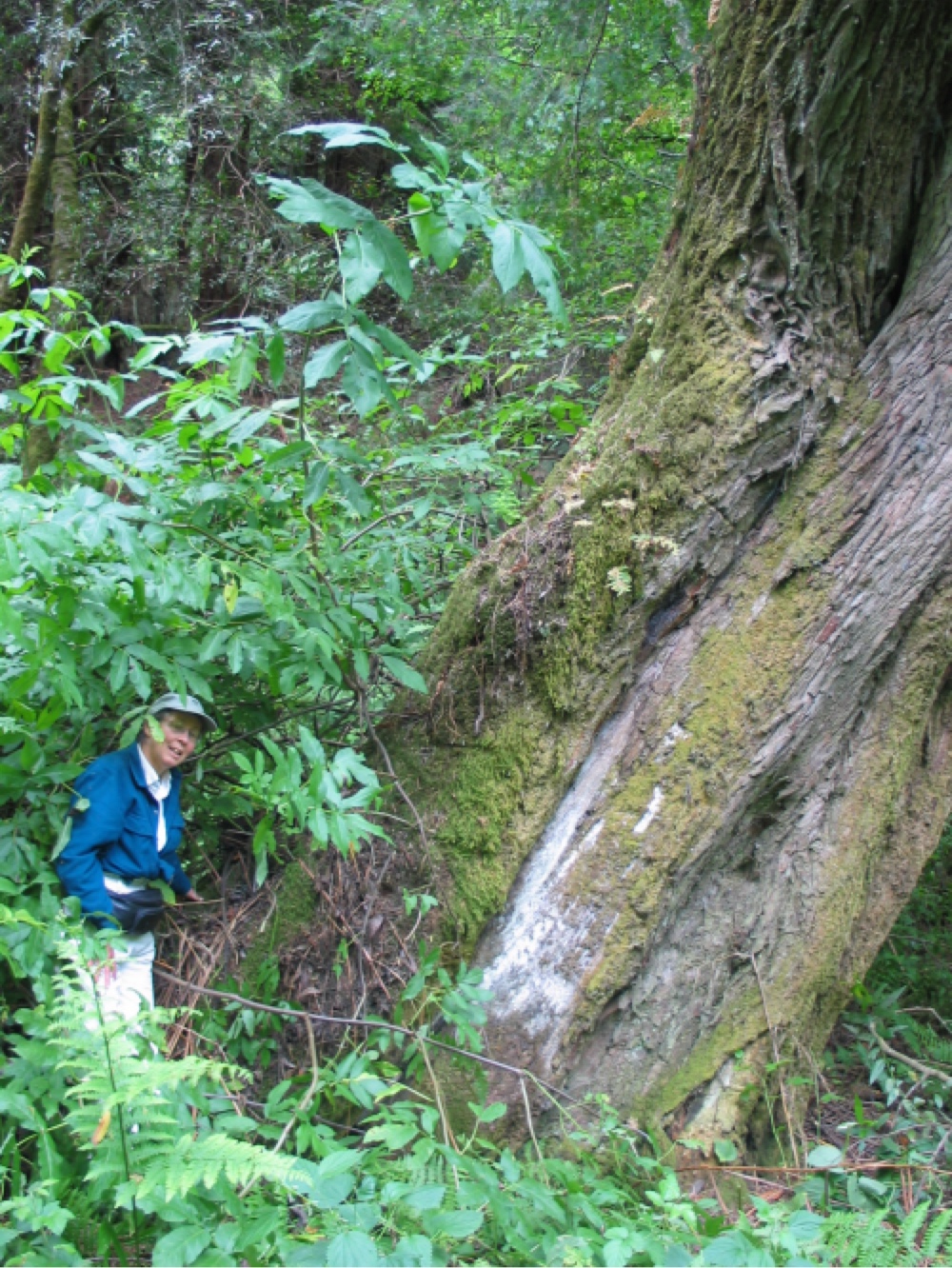
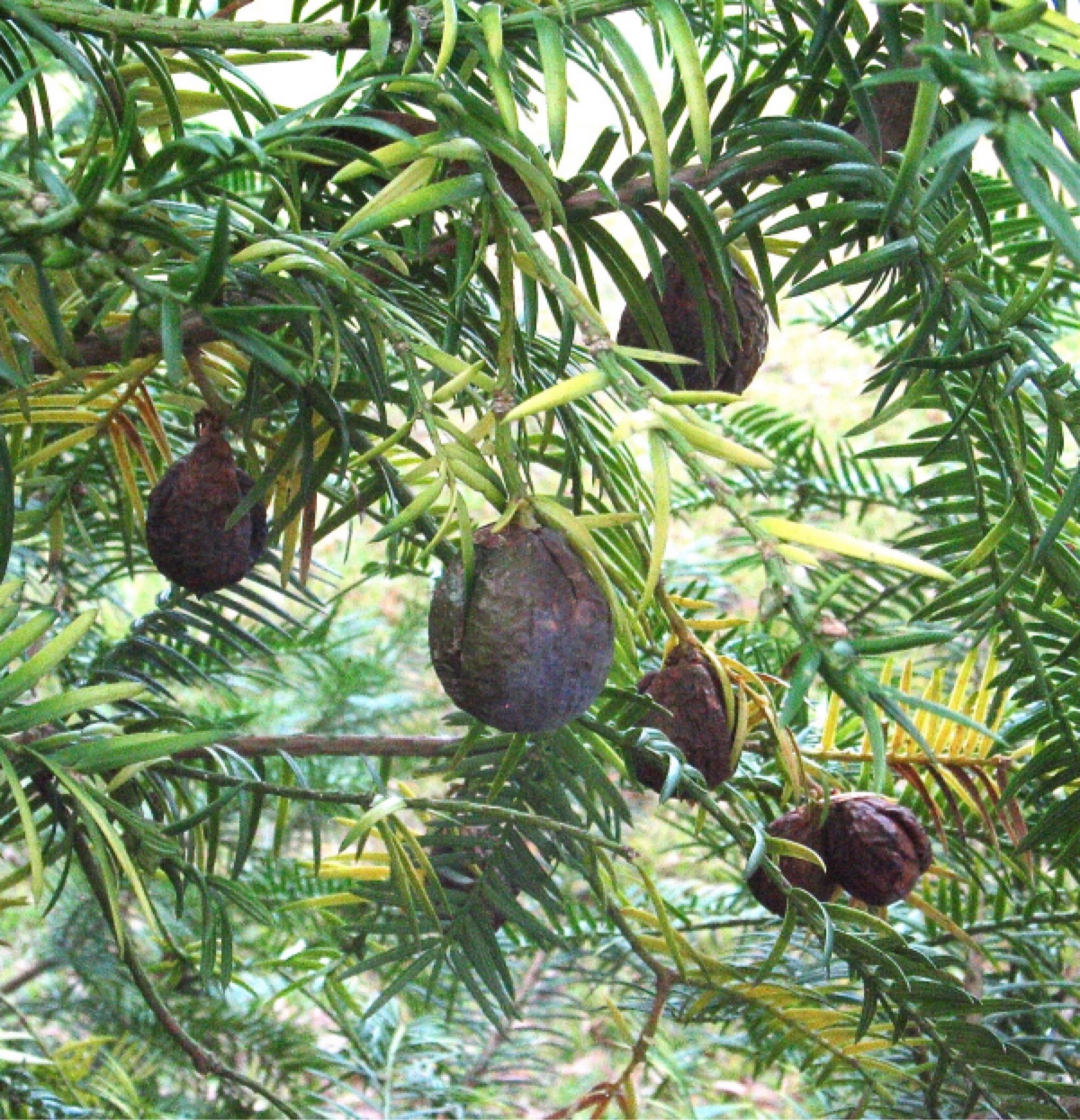
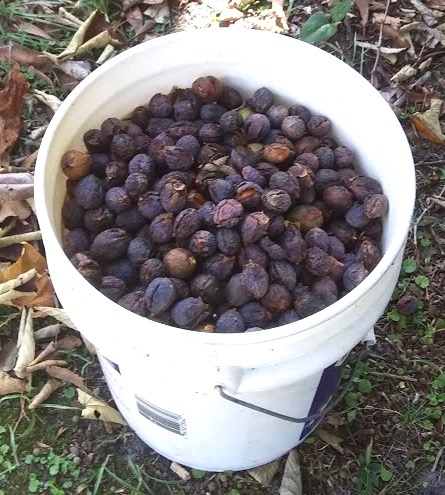
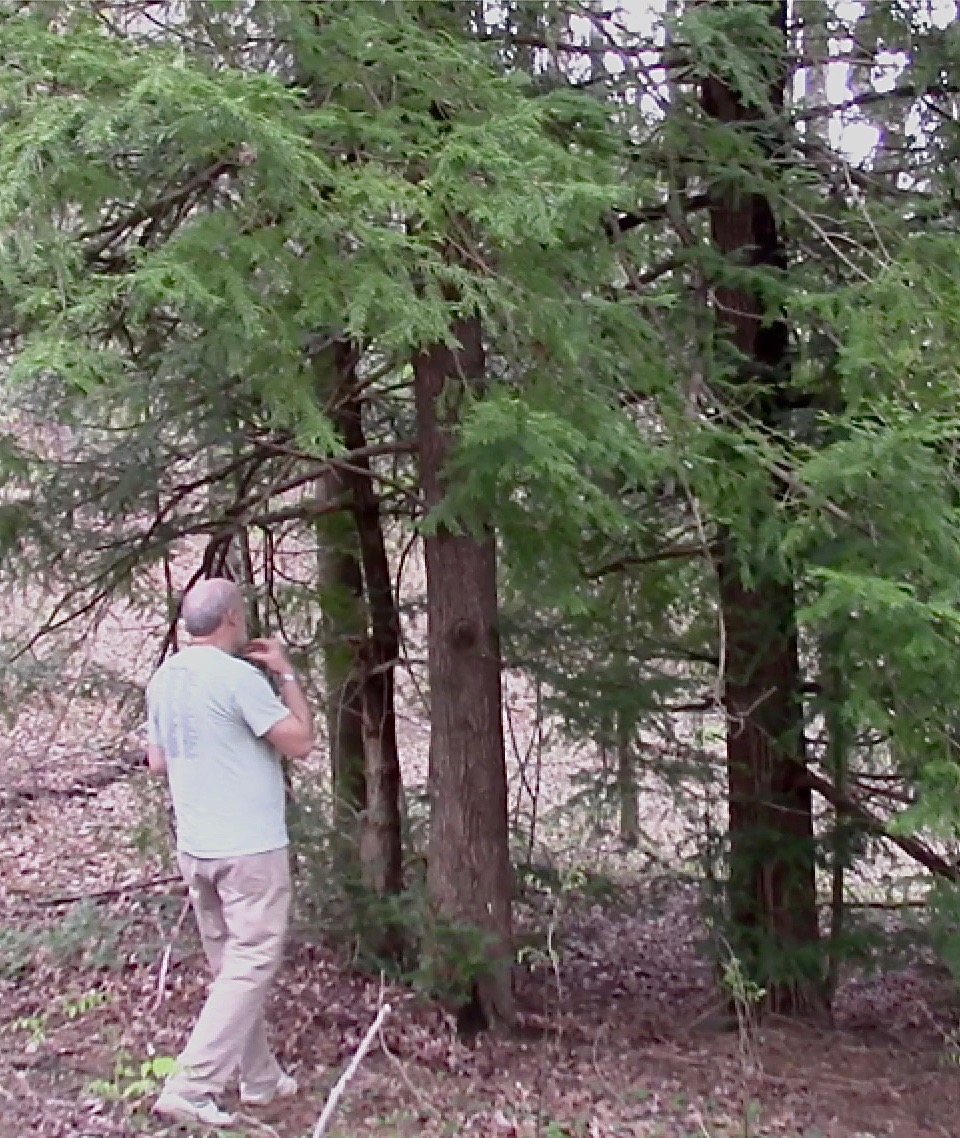
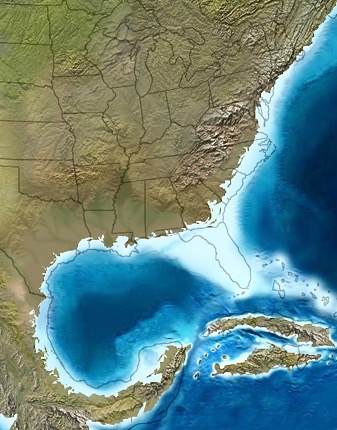
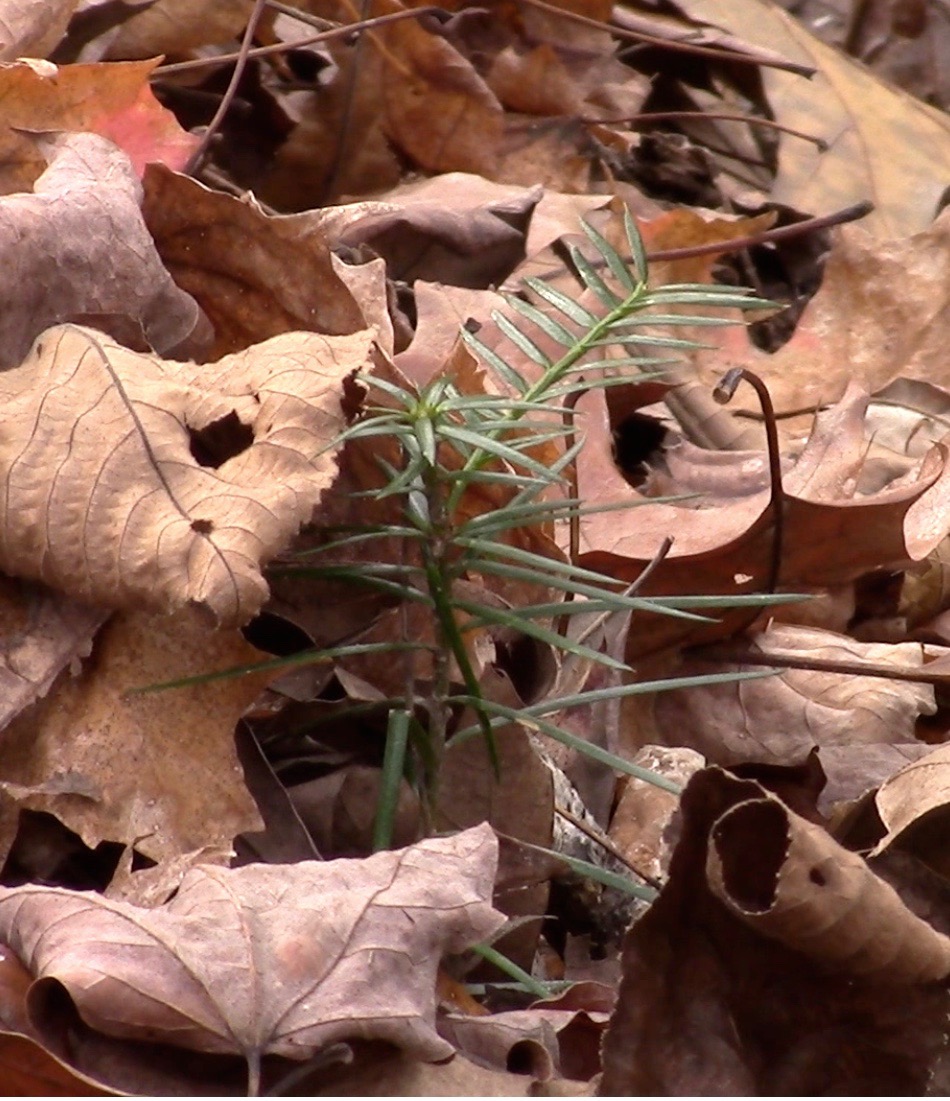
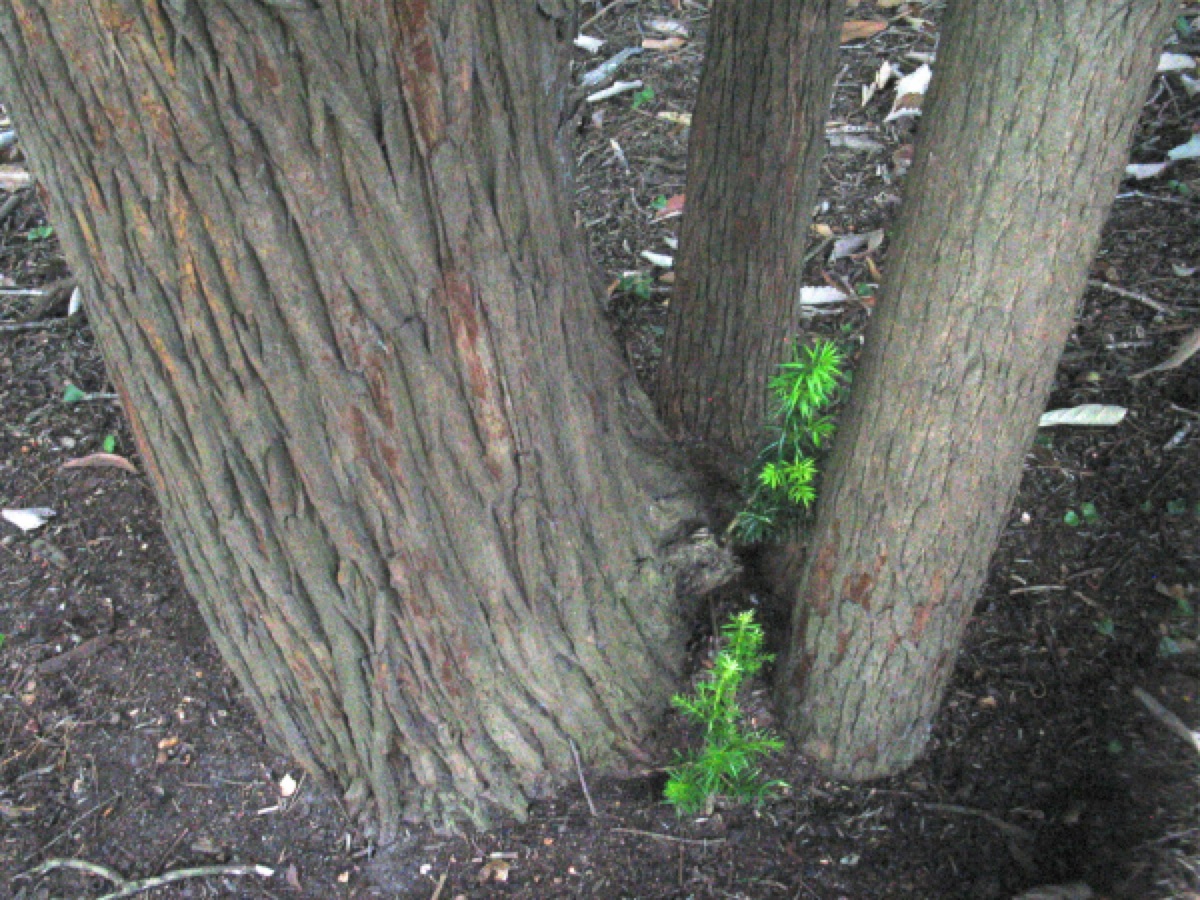
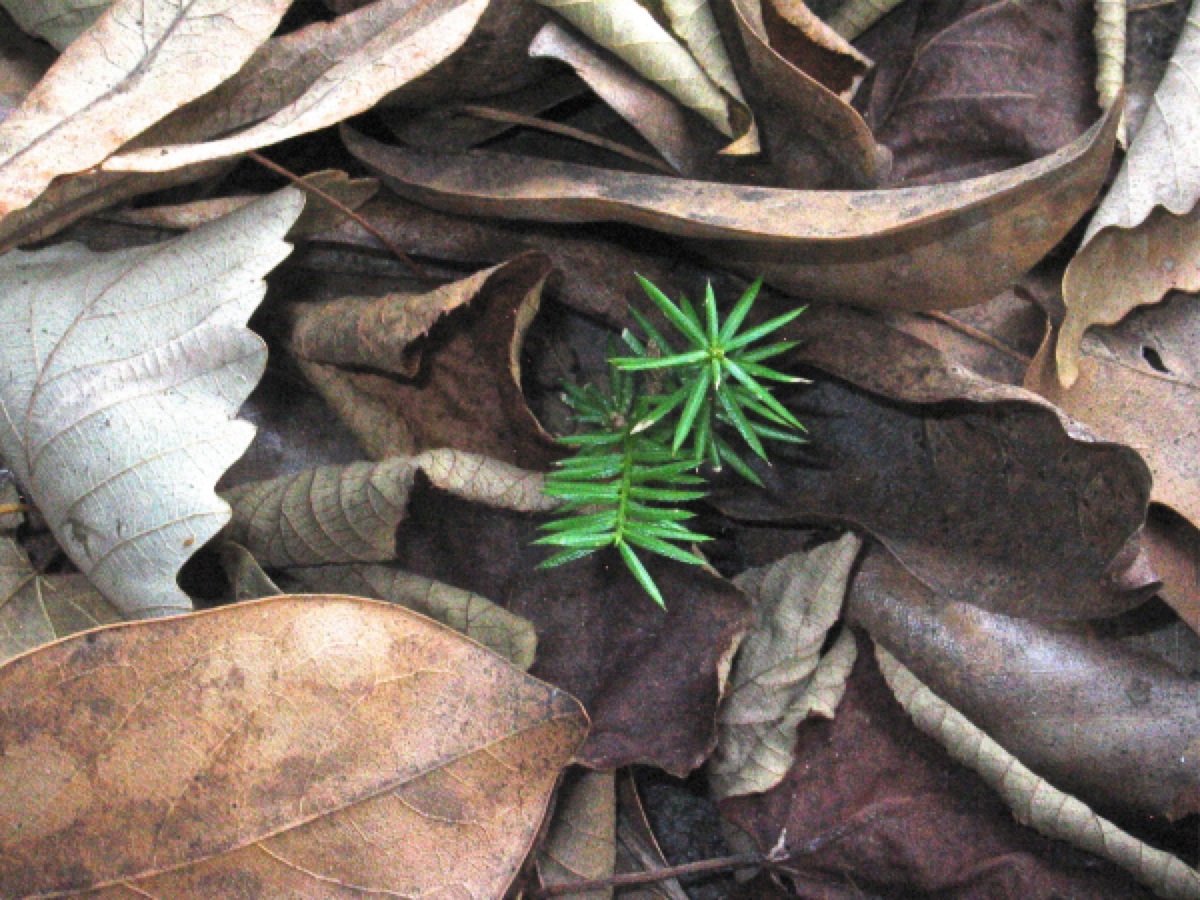
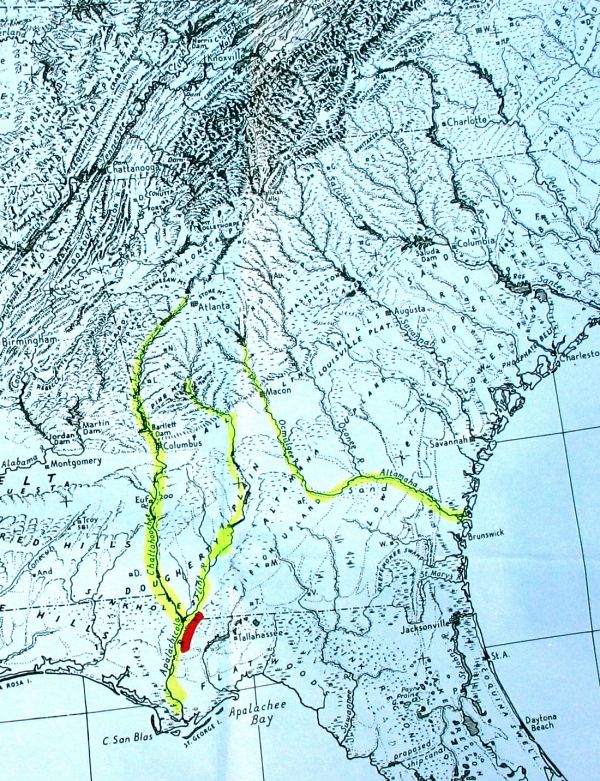
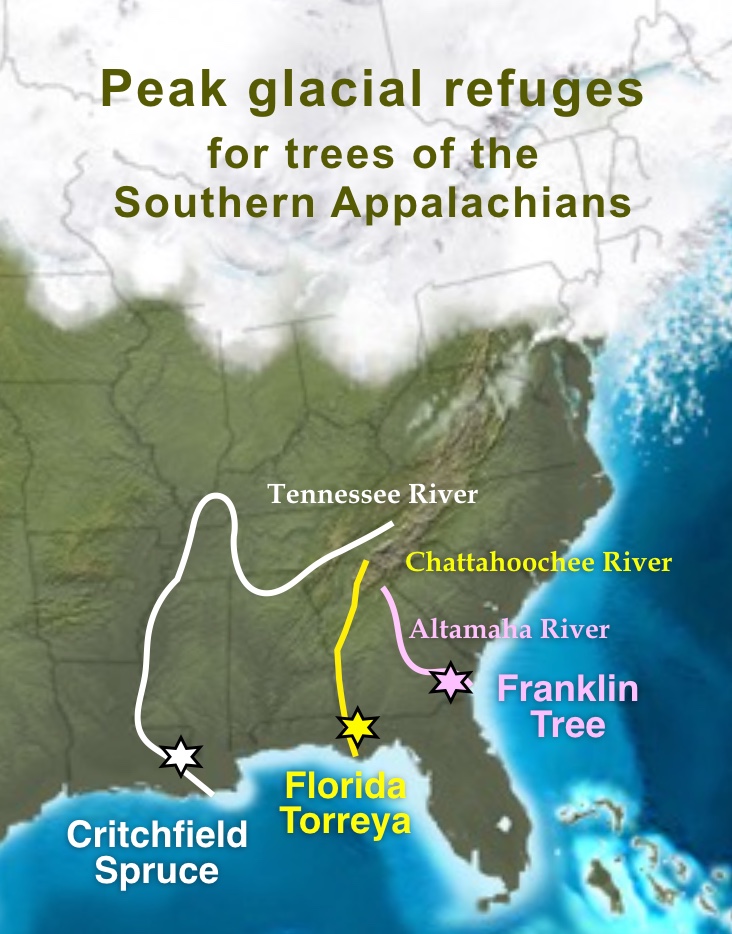
VIDEO Episode 35: Torreya Guardians - Reflections by Connie Barlow, recorded November 2022, includes strong arguments regarding the glacial relict status of Florida Torreya, including the pair of images above.
In the first 16 minutes of this 43-minute video, Barlow advocates that, absent a "deep-time" understanding of the history of this ancient conifer genus, actions taken by institutions officially empowered to control ex situ seed management will "not be grounded in genuine science."
• JULY 2023 NEWS FLASH: Federal government adopts new rule to authorize assisted migration for "experimental populations" of endangered species
In June 2022 the government proposed to modify the ESA regulation (not the statute) so as to no longer require "experimental populations" to be placed within "historical range". I filed a comment (as a citizen) supporting that change, which you can access here. At the same time I went into the Wikipedia page: "Endangered Species Act of 1973" and created a new section titled "Climate adaptation".
"The U.S. Department of Interior on June 30, 2023, announced its decision to modify the section 10(j) "experimental populations" rule generally as proposed a year earlier. The press release summarized the reason for the change as, 'At the time the original 10(j) regulations were established, the potential impact of climate change on species and their habitats was not fully realized, yet in the decades since have become even more dramatic. These revisions will help prevent extinctions and support the recovery of imperiled species by allowing the Service and our partners to implement proactive, conservation-based species introductions to reduce the impacts of climate change and other threats such as invasive species.' The rulemaking action includes a section summarizing 25 topics entailed in comments submitted in 2022, along with the agency's official response to each."
Note by Barlow: My reading of the Federal Register entry and press releases indicates that nowhere is mention made that allowing recovery of endangered plants to take place outside of "historical range" actually constitutes returning the species to its pre-glacial "near-time" or "deep-time" range. Hence, paleoecological evidence and understanding are not reflected in this climate adaptive regulatory change.
FLORIDA TORREYA as CASE STUDY of an endangered GLACIAL RELICT
All three of the earliest federal documents pertaining to endangered species designation and management of Florida torreya contain sections that present a paleoecological understanding of this taxon's relict character as a contributing — possibly ultimate — cause of species decline.
The federal publications are:
(1) 1984 listing of Florida Torreya as endangered
(3) 2010 recovery plan update
The three documents are excerpted below.
• 1984 Federal Register establishment of Torreya taxifolia as endangered:
"An evergreen tree reaching 18 meters tall, Torreya taxifolia (Florida torreya) was first discovered in 1834 and formally described in 1838. The Florida torreya and other endemics of the Apalachicola River system have received much attention from scientists and local residents. The relictual nature of this area accounts for the presence of many unique species (James, 1967).
"During recent glaciations, species migrated southward by way of the Apalachicola River system, which served as a refugium during cooling periods. The Apalachicola River is the only Deep River system that has its headwaters in the southern Appalachian Mountains. With the receding of the glaciers, cool moist conditions persisted on the bluffs and ravines of the Apalachicola River after climatic change rendered the surrounding area much drier and warmer."
• USF&WS 1986 Recovery Plan:
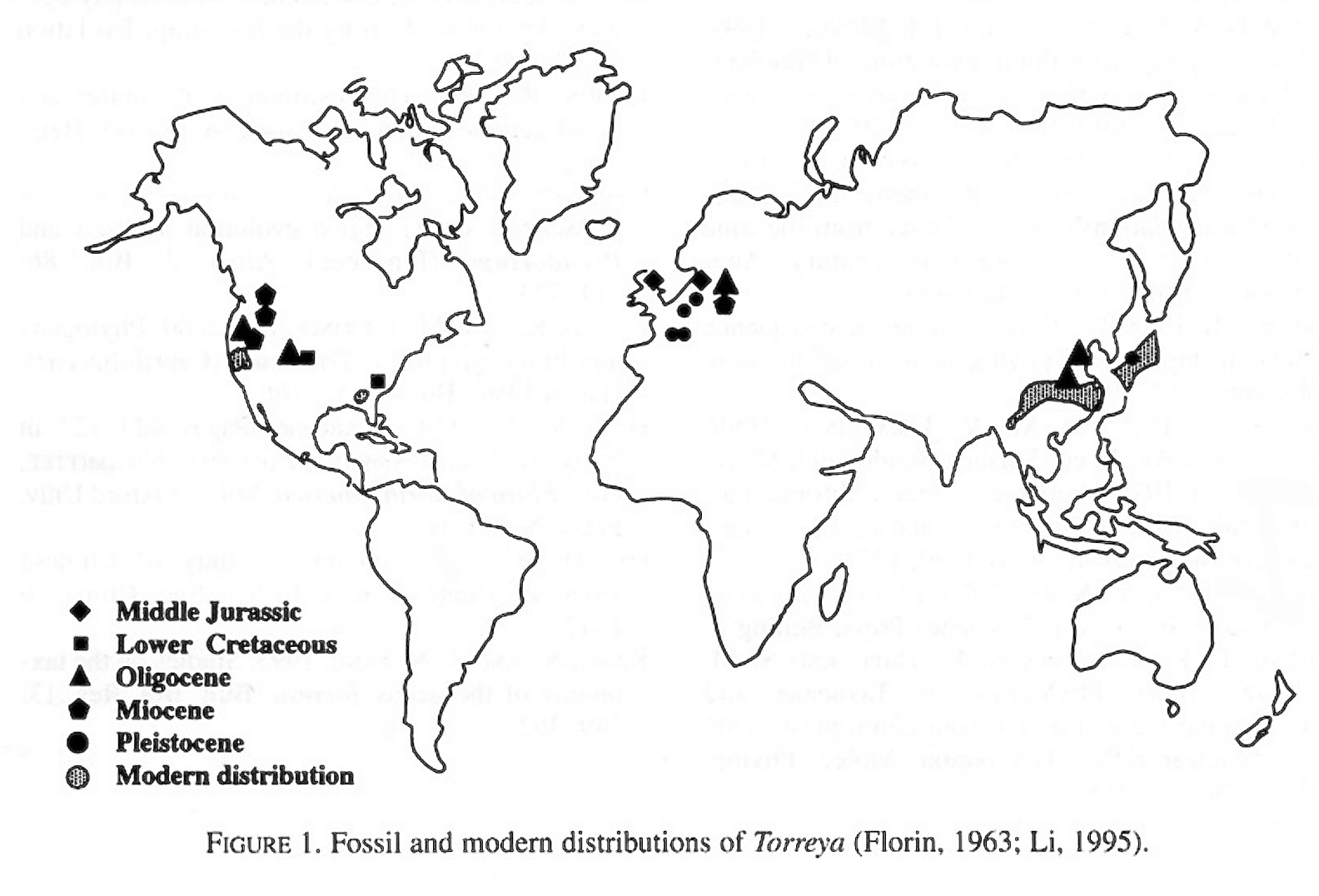
"... Torreya is a genus of four or five species from Florida and Georgia, California, China, and Japan. The present geographic distribution of the genus is similar to the distributions of several other plant genera. The distributions, together with fossil evidence, suggest that these genera had wide distributions during the Tertiary Period that were subsequently reduced by climatic changes during the Quaternary (James 1961, Delcourt and Delcourt 1975). . . It is possible that relatively minor human alterations of the habitat may seriously affect torreya; it is possible that the present-day physical environment of the Apalachicola bluffs and ravines is only marginally suitable to Florida torreya. The species may be restricted to the area because it failed to migrate northward at the end of the Pleistocene."
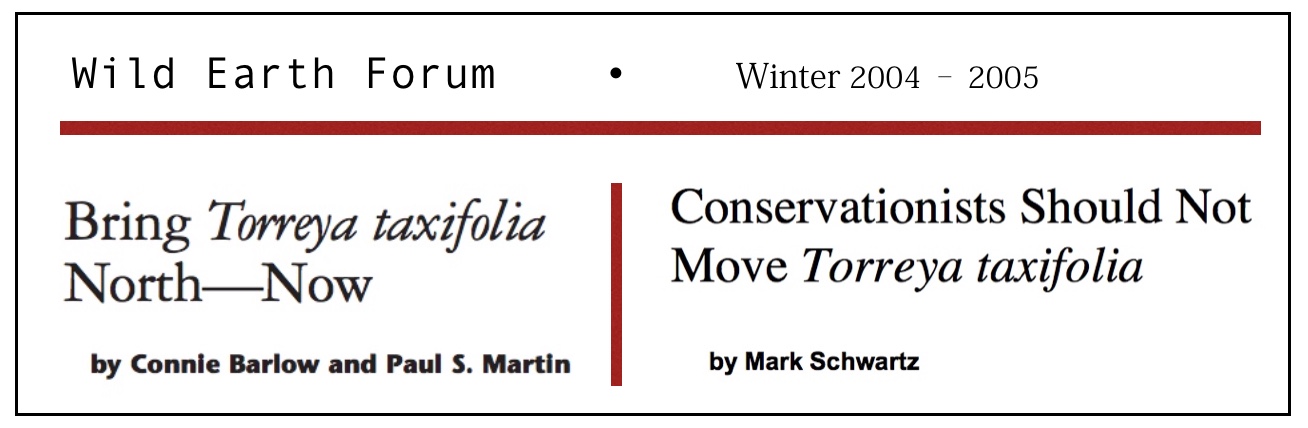
The papers were published as a pro and con Forum in the Winter 2004/2005 issue of Wild Earth.
"... Might it be possible for T. tax to take its place once again
as a thriving member of some subset of Appalachian forest
communities? We say again because we believe that northern
Florida is more properly viewed not as native range for T. tax
but as peak-glacial range. Helping T. tax establish in the
southern Appalachians is thus not so much relocation for a
plant struggling with global warming as repatriation of a
once-native. It is a form of rewilding that uses a deep-time
baseline for determining appropriate range".
The original ANTI-assistance essay by Mark Schwartz was titled "Conservationists Should Not Move Torreya taxifolia." A number of arguments against assisted migration were presented and supported in detail. But the author did not dispute Torreya's status as a glacial relict. Schwartz wrote:
"... Torreya taxifolia is a glacial relict, quite likely on the edge of its climatic tolerance, and might do well in a cooler climate."
"The loss of an ancestral species' habitat from glaciation is out of the temporal scope of the analyzed historical or current threats acting on the species and is not considered as a criterion that would influence a downlisting decision. [p.4]
Florida Torreya as the "poster plant" for climate change adaptation advocacy
"... Additionally, the petition has not provided substantial evidence that would lead a reasonable person to believe that the historical range of T. taxifolia is larger than described at the time the species was listed (Factor A). The petition cited our 1986 Recovery Plan and 2010 5-year review in support of the position that the historical range is larger than described at the time of listing. However, while we acknowledge that the 1986 Recovery Plan and the Service's 2010 5-year review speculate that the geographical range of T. taxifolia, or presumably an ancestral species (i.e. T. antigua), may have, in past geological times, included localities as far north as North Carolina, no native trees have been documented outside of the species' defined current or historical range, and both the Service's 2010 5-year review and the 1986 Recovery Plan confirm that all known native populations occur within four counties in Florida and Georgia." [p.7]
"... The petition and the supporting documentation on the Torreya Guardians webpages
provide substantial information regarding the best propagation practices and natural history of the species (Factor E), but the petition did not explain how this information resulted in the reduction or removal of threats to Florida torreya within its native range. The petition also included the locations and conditions of many northern outplantings of Florida torreya; however, the petition further explains that the majority of the documented outplantings are not in locations that would 'give rise to new and expanding populations.' Ultimately, the relative reproductive success of the outplanted groves does not ameliorate the threats currently affecting the species in its historical range (i.e. low population number, rarity of habitat, and disease, USFWS 2010).[p.7]
"... Based on the Service’s 2010 5-year review, the species is considered extremely vulnerable due to its limited range, low population number, and rarity of habitat. The primary decline in species abundance is thought to have resulted from fungal pathogens during the 1950s and 1960s, and/or a combination of environmental stress and native pathogens, but studies have yet to provide an explanation. As a result, the main threat for this species' decline is still not well understood, even though considerable research and management activities have been and are presently conducted on this species.[p.8]
We found that the petition did not present credible scientific and commercial information to support the claim that the destruction, modification, or curtailment of Florida torreya's habitat or range have been ameliorated (Factor A). Additionally, the petition has not provided substantial evidence that would lead a reasonable person to believe that the native range of T. taxifolia is larger than described at the time the species was listed (Factor A). We acknowledge that the petition provided additional documentation on the effects of disease at localities outside of Florida torreya's native range (Factor C), included the locations and conditions of many northern outplantings, and provided new information regarding the species’ natural history and best propagation practices (Factor E); however, the petition did not present information indicating that the primary threats to the species have been reduced or removed. Based on our review of the petition, sources cited in the petition, and other information in our files, we find that the petition does not provide substantial scientific or commercial information indicating that the petitioned action may be warranted." [pp.8-9]

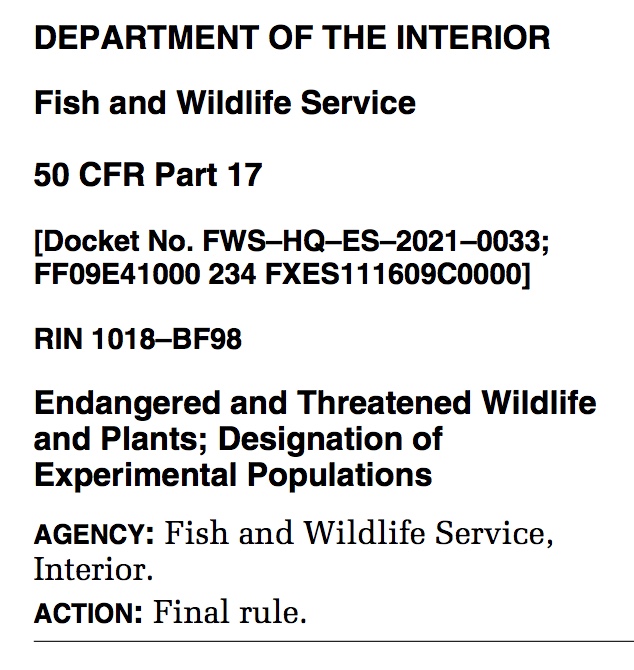
This month, the government finalized the change, so I added this para (with references) to the wikipedia page:
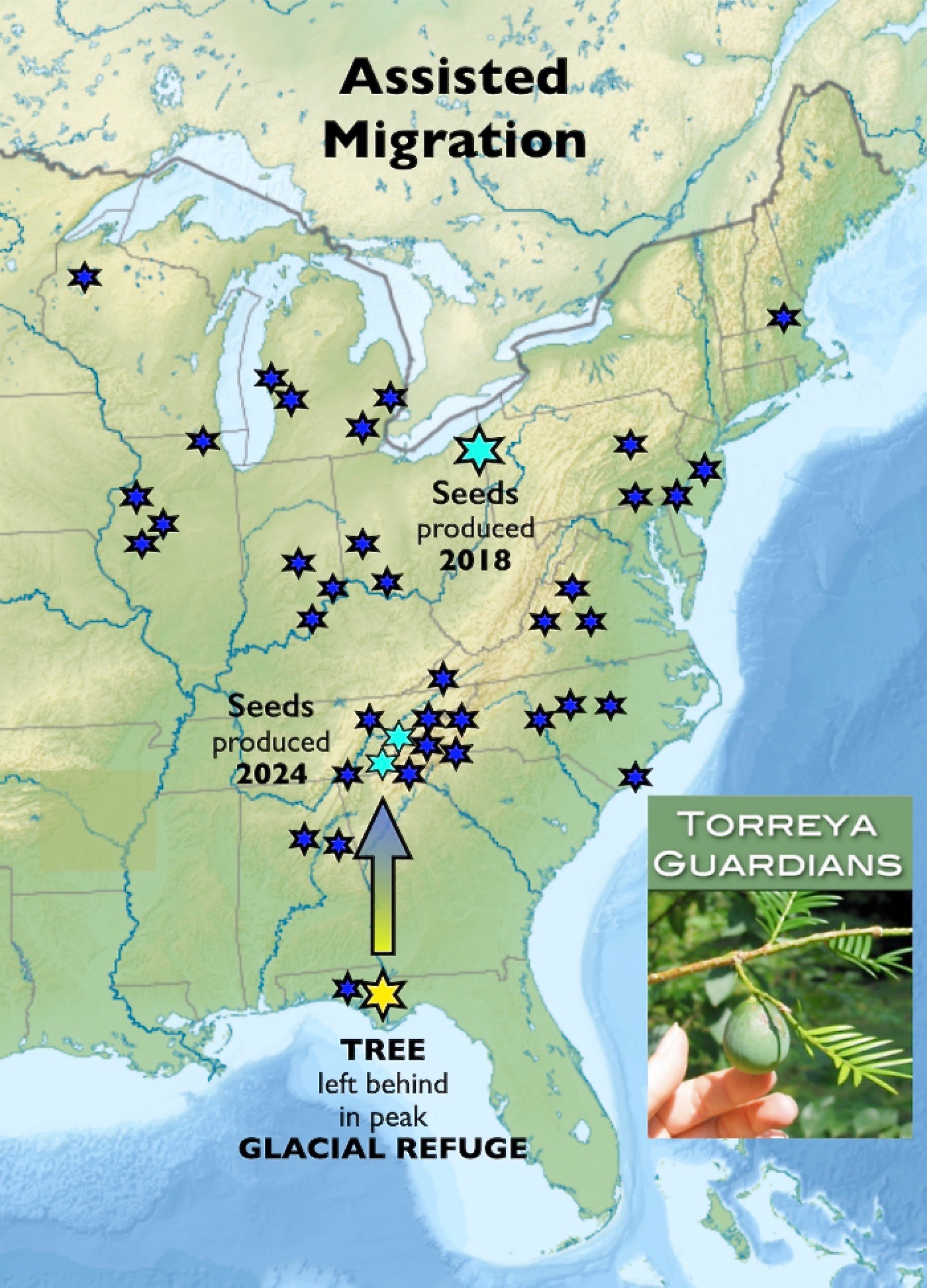
Since the beginning of the debate, the major advocates in favor of assisted migration for Torreya taxifolia have argued that paleoecological reasoning is exceedingly strong in favor of assisting the migration of this highly endangered conifer tree northward from the panhandle of Florida to the southern Appalachians.
__________
The first paragraph begins:
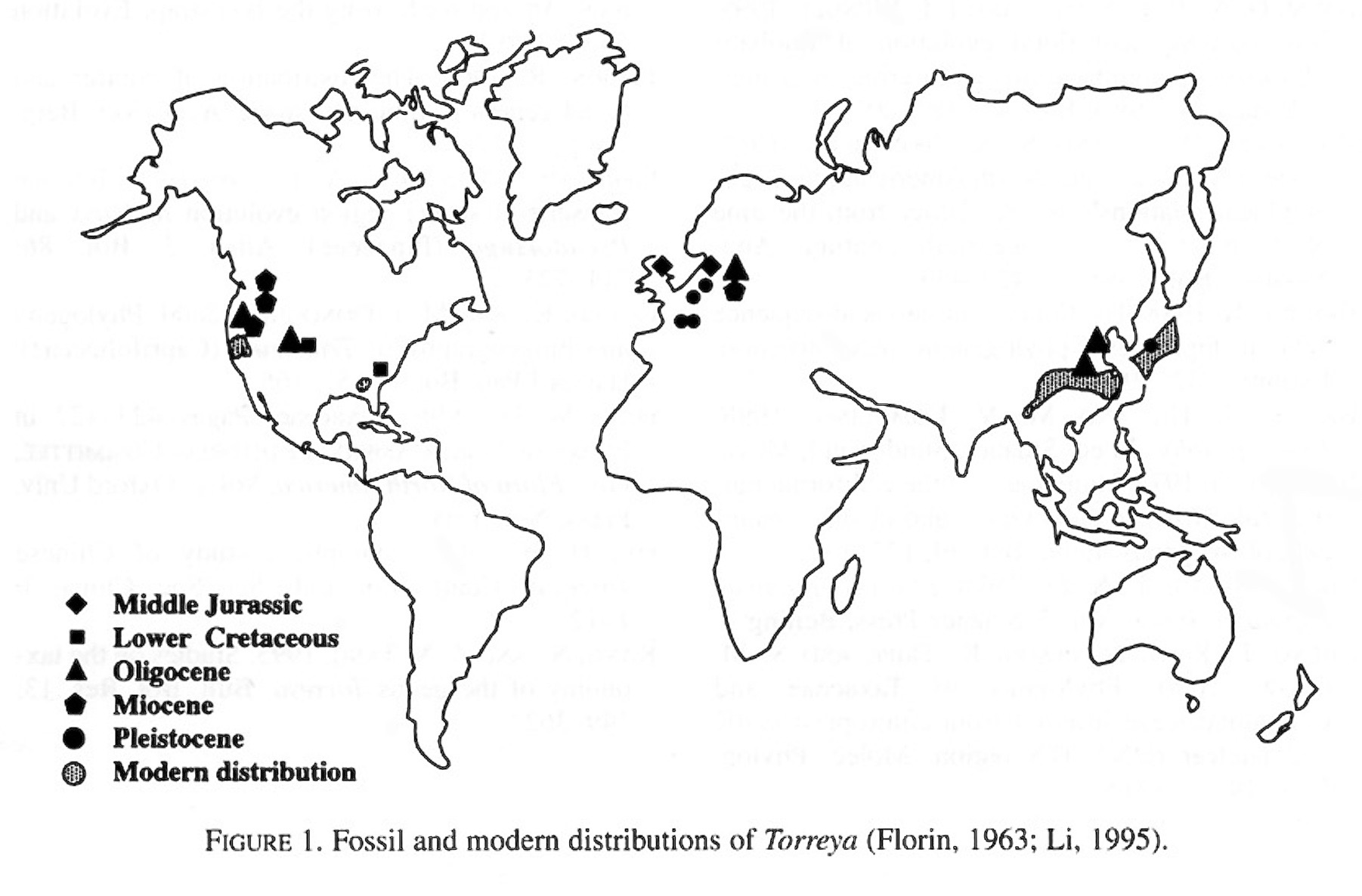
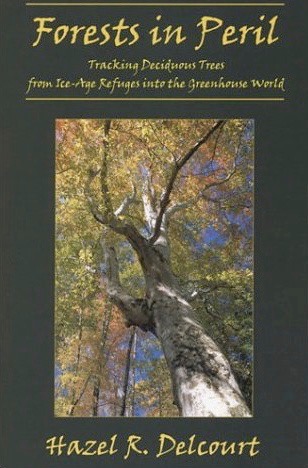
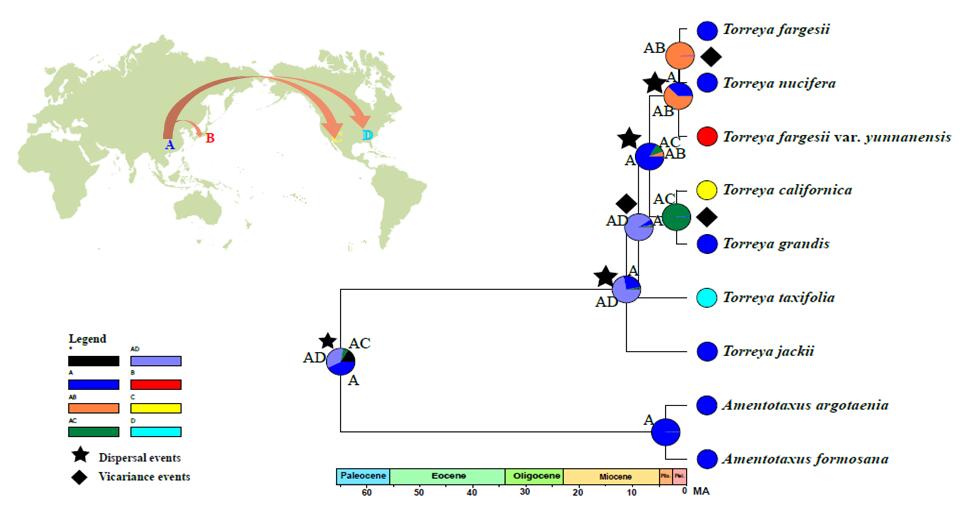
Source: "Phylogenetic Relationships of Torreya (Taxaceae) Inferred from Sequences of Nuclear Ribosomal DNA ITS Region", by Jianhua Li et al., 2001,
 |
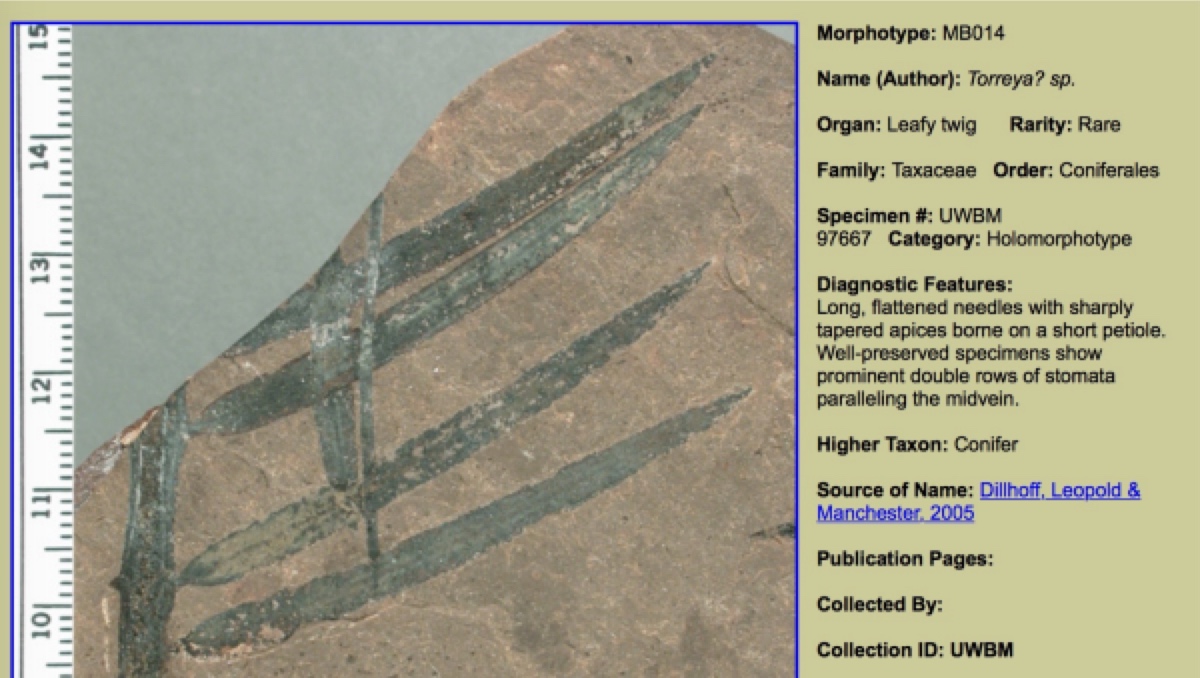
"... Fossil records of Torreya are limited to seeds, leaves, and secondary wood of the Upper Cretaceous (Boeshore and Gray 1936, Chaney 1950). The records indicated that the distribution of the genus in past geological times was much wider than the present distribution. A fossil named T. Antigua, which has some characteristics in common with T. taxifolia and T. californica, was described from the Mid-Cretaceous of North Carolina and was also collected near MacBride's Ford, Georgia (Boeshore and Gray 1936). "Currently, Florida torreya grows naturally in three counties in Florida: Gadsden, Liberty, and Jackson. It is also found in southern Decatur County, GA, just north of Chattahoochee, FL. Based on fossil records, we can speculate that the geographical range of T. taxifolia included North Carolina and perhaps, it was forced south by glaciers, and when they retreated, it became isolated in small areas of the southeastern United States (p.12, 16). |
Florida Torreya survived the Holocene warming in its peak glacial reserve in the Florida portion the Chattahoochee River system, but human-caused additional warming made it vulnerable to a number of diseases, such that it pretty much stopped producing seeds by the 1960s. (Notably, Torreya Guardians achieved seed production beginning in 2017 at one of its "assisted migration" plantings in Ohio.) __________
• 2010: Connie Barlow points to the absence of a DEEP-TIME perspective when alerting citizen torreya volunteers, academics, and agency staff to a pair of new, lengthy papers on ASSISTED MIGRATION: October 14, 2010. EMAIL TO: the core Torreya Guardians, plus Donlan, Shirey, Vivian Negron-Ortiz, Emma Marris, Janet Marinelli:
Hello all - On the Torreya Guardians website (the "comments" page [later updated to "Reports" page]), you can click links for 2 really important new papers (both of which I also list on the "assisted migration" page that is a long list of online resources on the topic, which I keep up to date). The comments page is at: https://www.torreyaguardians.org/comments.html The October 14 entry gives access to an 86-page PDF free download of a rigorous professional law review of the issue that goes a long way into ethics, public involvement, and the need to fully rethink our approach to ecological preservation, restoration and overall management. Torreya Guardians plays an important role in that paper�s discussion of the topic. The October 4 entry gives access to an important advocacy piece by a professional environmental ethicist. For both papers, a comment I make on October 4 applies:NOTE: 14 October 2010, Connie also sent an email (access in PDF) to the author of the 86-page law review article, Alejandro E. Camacho. Her email offers overall praise, while suggesting he consider adopting a deep-time perspective. Her core suggestion,"This paper, as with all the others, neglects the crucial distinction implied by the term assisted migration, which has recently been superceded by the term managed relocation. Thus far, none of the papers have included a deep-time perspective (you can access scores of papers online via this link). That is, none have explicitly looked at the merits of such assistance from the standpoint of previous glacial/interglacial biotic dislocations. In my own experience, as soon as one adopts "deep-time eyes," it is clear that moving Torreya taxifolia seedlings hundreds of miles northward, as we Torreya Guardians have already done, is simply assisting with a natural migration pattern that has happened repeatedly in the past."Overall, in my view, so long as the professionals in the debate keep wringing their hands about movement of species, such as we have done, as bringing "non-native" species into new habitats and associations, and thus so long as they ignore the millions of years that virtually all plant species (tens of millions for Torreyas) have been surviving by massively moving with climate change and by doing just fine hanging out with very different plant species from time to time, the ethical dilemmas over assisted migration are going to be perceived as agonizingly huge and thus impossible to get decisive about. Together for Torreya, Connie
2. REVISIT THE "LEOPOLD REPORT." As you know, the 1491 standard for ecological baseline in America was formally established for NPS in the 1970s (Aldo's son Starker chaired the NPS commission) and broadly adopted by all ecologists in America in the decades that followed. When the controversy about the likely scale of pre-contact indigenous ecological management began to brew, both Paul Martin and I regarded adopting a 'pre-human' (in America) baseline (prior to 13,000 years ago) as an ideal way to get around that ethically difficult issue. But nobody else seemed to see it that way. The assisted migration controversy makes it even more essential now to cut through the controversy by bringing the concepts of 'deep time' and 'near time' into the practical definition of what 'historic' range should be thought of. Aldo's daughter Estella, paleobotanist emeritus U Washington, is still alive and at work. In fact, she contacted me about a forthcoming paper in which she and a coauthor report on finding Torreya genus fossil leaves in Washington State in the Pliocene. She seems very open to the assisted migration idea, and I think it would be great to get her involved in a figurehead sort of way (her faculty page shows her getting her bacherlor's degree in 1948!) while she is still alive and functioning. What a fabulous link to the Starker era (who died in 1983) and to their father (who died too young in 1948)."__________ TWO BOTANICAL PUBLICATIONS IN 1905 concluded that Torreya taxifolia is a glacial relict:
• Coulter and Land 1905: "... "The conclusion is irresistible that Torreya is a northern plant of the most pronounced mesophytic tendencies, and to be associated with such forms as the beech-maple-hemlock forms of our northern woods, our most mesophytic type of association."__________• Cowles 1905: "... It seems likely, then that we should regard Torreya taxifolia as a northern mesophytic left stranded to-day only in Florida. It presumably is one of the plants that failed to follow up the last retreat of the Pleistocene ice, and is preserved here perhaps because of exceptionally favorable topographic conditions."
__________2010 PAPER in the field of plant biogeography points to Florida Torreya as an example of "species migrational lag":
• "Disequilibrium Vegetation Dynamics Under Future Climate Change":
"... For example, Torreya taxifolia Arn. has experienced, range-wide decline, which may be due to lagged responses to climate change (Barlow and Martin, 2005)."
— Jens-Christian Svenning and Brody Sandel, 2013, American Journal of Botany, "Special Invited Article."
1990 POPULAR ARTICLE IMAGINES FUTURE TORREYA SITE IN APPALACHIANS
• "Chasing Ghosts", by Robert Nicholson, December 1990, Natural History Magazine (author bio: Rob Nicholson studies rare and endangered plants at Harvard University's Arnold Arboretum).
TAGLINE: The steep ravines along Florida's Apalachicla River hide the last survivors of a dying tree species.
... The Apalachicola Bluffs and the ravines that dissect them are at the cusp of the deciduous woodlands and the lush subtropical jungle. It is an undecided forest, its luxuriant ecotone having been shaped by the forces of glaciation during the Pleistocene era. As a New Englander used to deciduous woods, I was unsettled by seeing beech, maple, and hickory mixed with bold fan-leafed palmettos, spiky yuccas, and huge evergreen magnolias.
... While the few remaining saplings may outlast the blight, not many people who have seen the trees would wager their homes on it. More likely, clusters of trees, propagated from specific ravines, will be grown in botanical gardens, universities, preserves, and state parks. This Florida native, as evidenced by the few healthy trees in cultivation, seems to thrive on the southern slopes of the Appalachian Mountains and is more cold tolerant than its present range would suggest. Possibly an Apalchicola refugium can be re-created, an artificial Torreya forest where pollen can float, genes mingle, and the evolution of the past hundred million years can continue, even if it is in a pitifully discounted format.