Torreya taxifolia Cleveland, Ohio

Report by private landowner

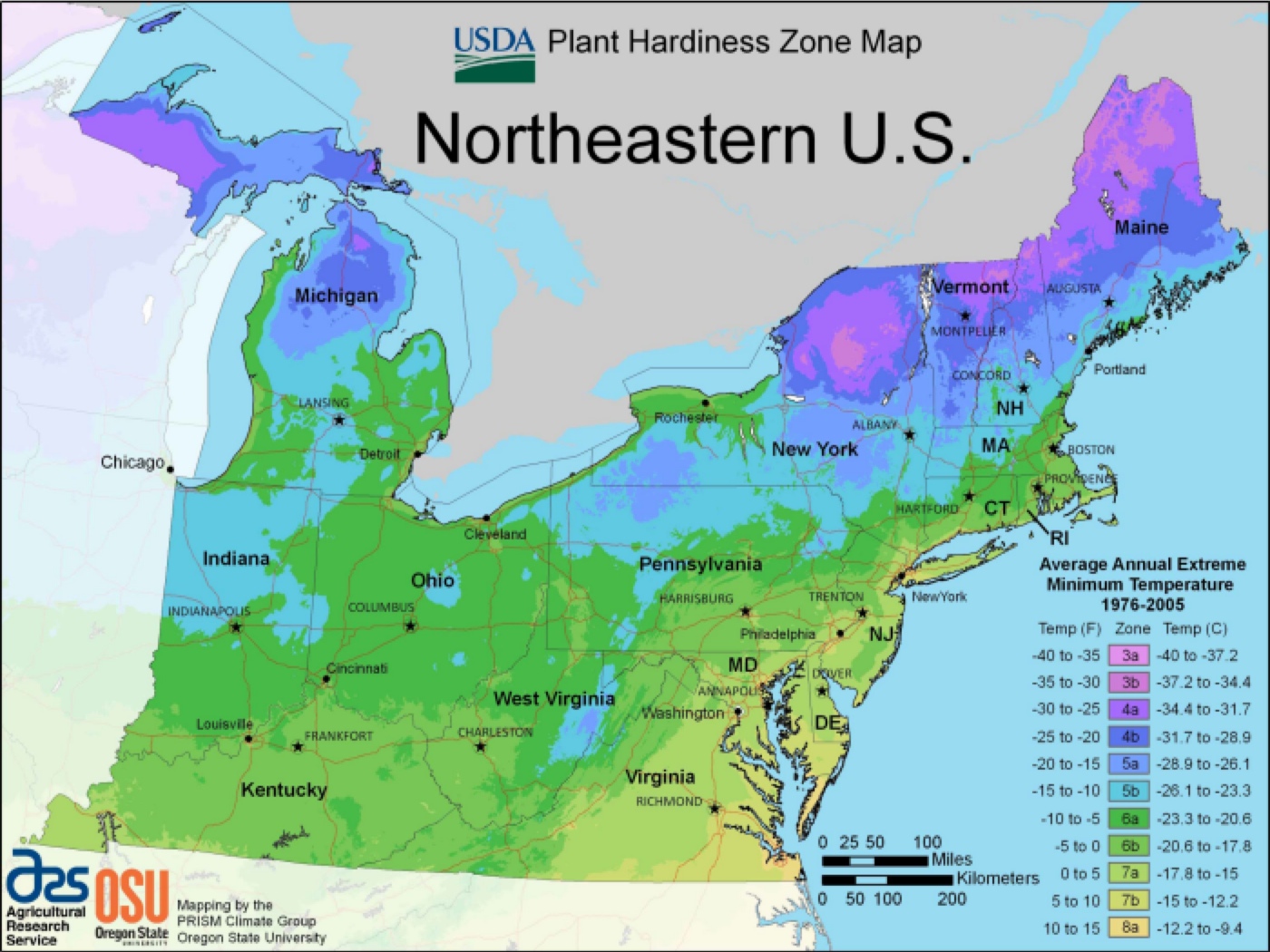
EDITOR'S NOTE: As of 2011, this is the COLDEST-CLIMATE successful planting of T. taxifolia that Torreya Guardians is aware of.

NOVEMBER 2011 UPDATE: This site received 20 seeds from the Fall 2011 Torreya Guardian seed distribution.


ABOVE: Oct 2011 photo of cutting-grown plant purchased on E-Bay in 2006.

I became interested in the genus Torreya in 2005 while visiting a private arboretum in Stow, Ohio. I did a bit of reading and learned of the plight of Torreya taxifolia. The following year I happened on a plant (cutting grown) on Ebay and purchased it. It spent the first winter in my cold attic with most of my other plants that need cold treatment but no freezing temperatures. It did not fare too well but did survive. I planted it out spring of 2007.

While it does not look like a nice conical/typical conifer [in the 2011 photo above], I attribute this to it being cutting grown from a lateral branch. It has survived and grown nicely with absolutely no wind or freeze damage, and in the winter of 2008/2009 it survived -13F.


   PHOTO LEFT: A seed-grown plant purchased from Woodlanders Nursery, SC, and planted in a sunny spot near Cleveland, Ohio.

I found Woodlanders Nursery in Aiken SC offered for sale seed-grown plants of T. taxifolia, but only within the state of Georgia. I was visiting family in northwestern Alabama and decided to place an order for 3 T. tax. for pickup. Two of the trees I kept for myself; the other I shared with a retired botanist from the University of Akron, Ohio.

I overwintered the plants indoors the first winter. The third plant was overwintered in an alpine greenhouse but developed Phytophthora or a similar looking disease problem and died.

The following year (December 2010) I made the same trip south and again ordered and picked up an additional 2 plants of T. tax. The four seed-grown plants, as well as the cutting-grown plant, have established nicely. Three are located in a prepared bed in a relatively exposed location. One is planted in a woodland situation, and the cutting-grown plant is in an open but protected area not far from a T. yunnanensis, which will have to be removed depending on the health and vigor of the T. taxifolia. [Editor's note: T. yunnanensis is an Asian species of genus Torreya; if it turns out to be a male tree, removal will ensure no pollen contamination of the taxifolia females.]

As of this writing (October 2011) all 5 plants are doing quite well, though I have noted a bit of deer browsing on one (protection is already in place!). I will send more pictures of the plants after ALL have gone through an Ohio winter.

SEE BELOW FOR PHOTOS OF THE OTHER SPECIMENS.


WWW www.TorreyaGuardians.org

Return to HOME PAGE.

Who Are Torreya Guardians?    Who Is Torreya taxifolia?    Brink of Extinction    Efforts to Save    Rewilding Now!    Comments on Rewilding    Recruiting Landowners & Helpers    Torreya Plantings in North Carolina    California's Torreya    Propagation Advice    Contact us