|
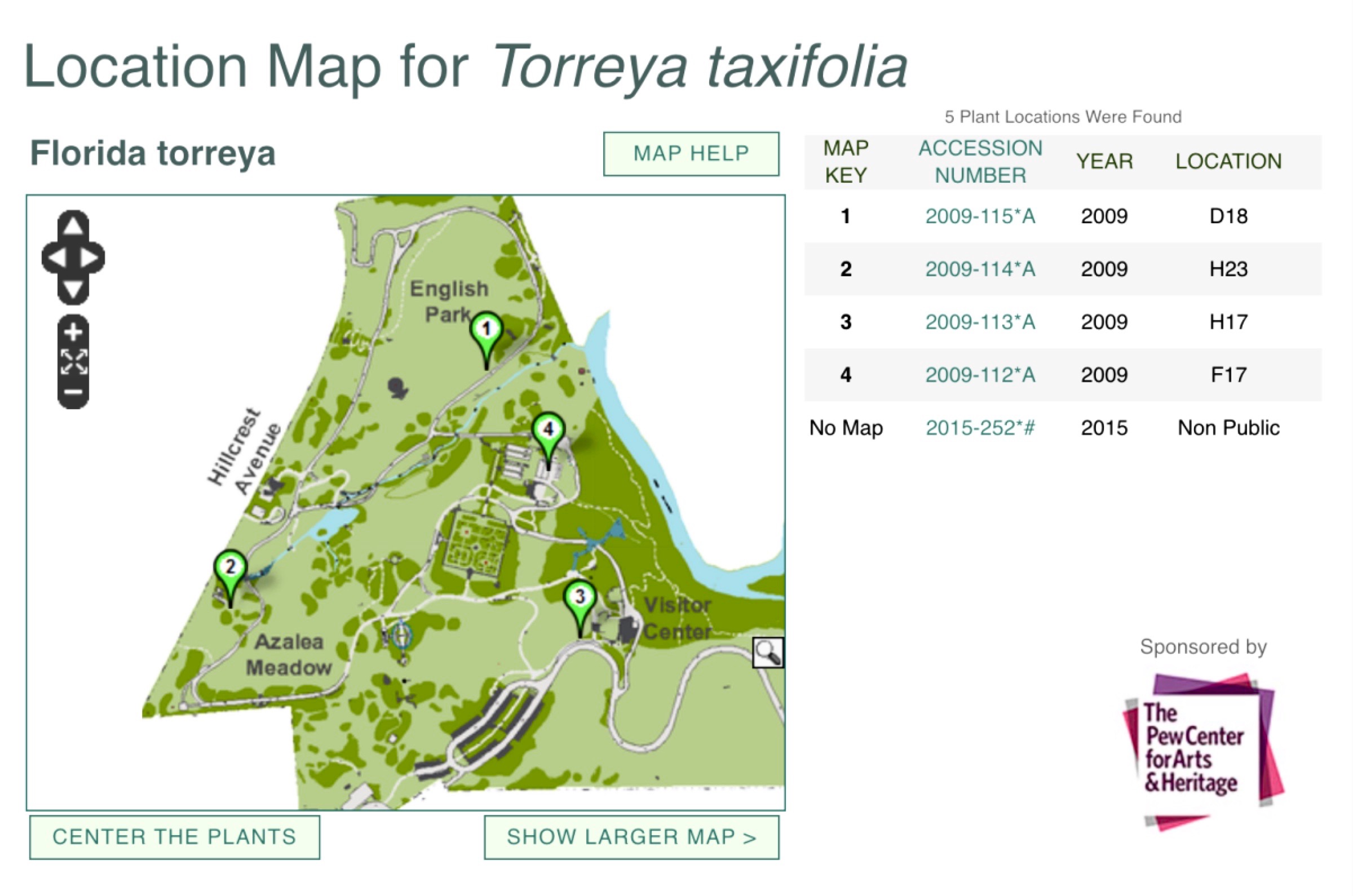
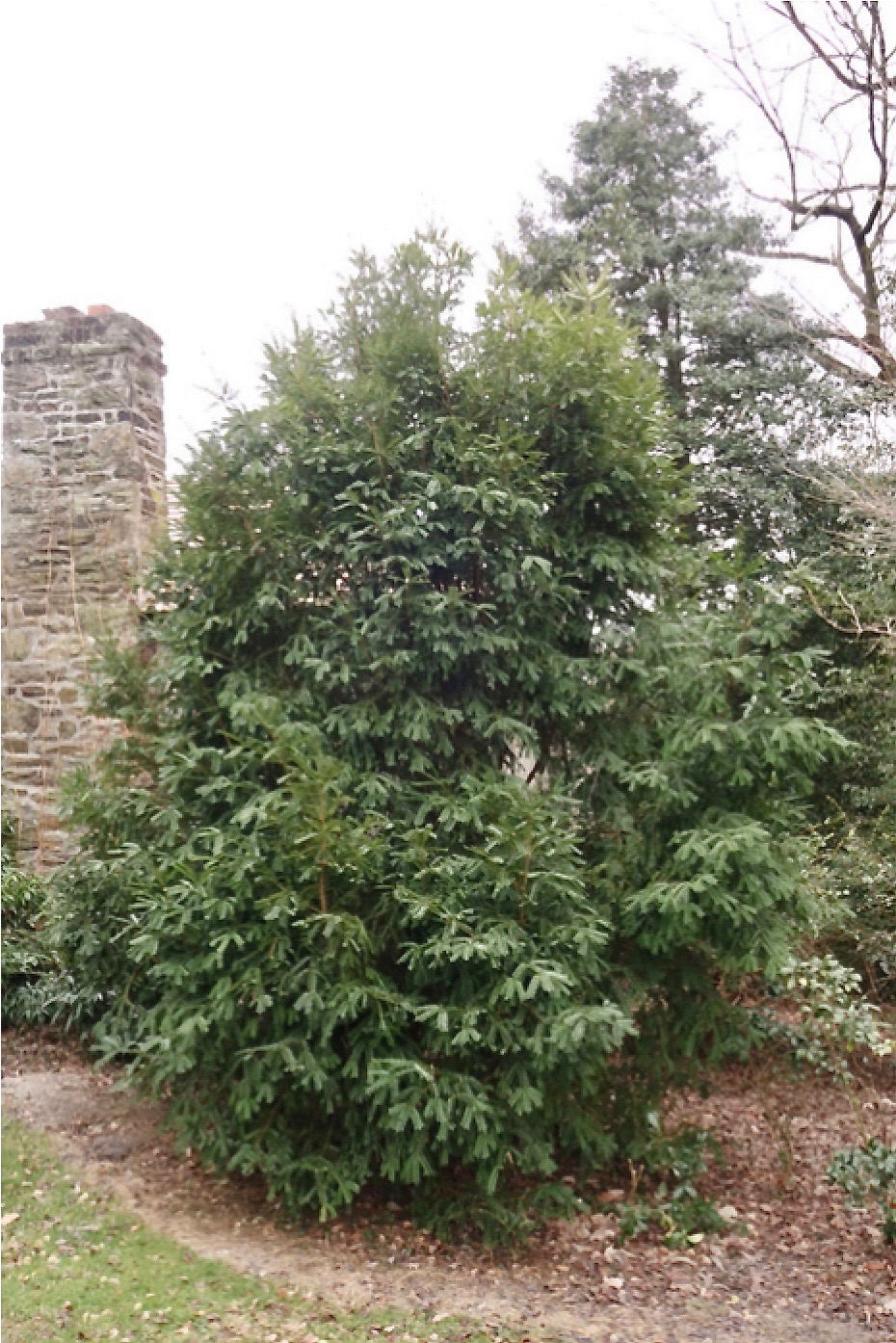
Philadelphia, PENNSYLVANIA affiliated with the UNIVERSITY OF PENNSYLVANIA
Paul Camire, Torreya planter in Capac MI, documented the sources of those plantings on page 12 of his report titled, Ex-situ Specimens of Torreya taxifolia: "4 cutting-grown plants received from the Arnold Arboretum in 2009 and a seedling received from Polly Hill Arboretum in 2015."
... Climate change is driving changes in our flora. Research at botanical gardens will help to inform us as we make difficult decisions such as whether or when to undertake assisted migration to help species move to new suitable habitats. Species with present day southern ranges such as Torreya taxifolia and Magnolia ashei, which formerly inhabited the Great Smoky and Blue Ridge Mountains, are seemingly in the process of going extinct because they cannot migrate to suitable habitat as the climate warms. The Morris Arboretum is growing and conducting research on Torreya and experimentally planting it in suitable habitats in the Great Smoky Mountains. Bill noted that assisted migration is a controversial issue and much research is needed in this area. Editor's note: During a 2019 presentation posted on youtube, "Public Gardens in Today's World", Bill Cullina mentioned Torreya taxifolia in the context of its having been unable to move northward out of its glacial refuge in Florida. The "assisted migration" topic begins at timecode 30:35. The Apalachicola as glacial refuge begins at 35:15, with Florida torreya included soon after. The video shows photos of torreya growing well in North Carolina (including 1 photo by Torreya Guardians). He concludes, "There are ethical issues around that. I'm not going to judge either way, but it's one way they're trying to be proactive in helping these plants move." |